
What is the YouTube Algorithm in 2026? A Data-Driven Breakdown
Key Takeaways
- 1
The YouTube algorithm in 2026 prioritizes viewer satisfaction signals — watch time, click-through rate (CTR), and sentiment — over raw view counts or subscriber numbers.
- 2
Format choice is a direct performance lever: image and carousel posts drive significantly higher engagement than short-form video in creator datasets, signaling that multi-surface content strategy is no longer optional.
- 3
Posting at the right hour matters, but channel-specific data consistently outperforms generic "best time" advice — your audience's behavior is the only schedule worth following.
- 4
Topic clustering and consistent niche authority are the two structural factors that most reliably compound algorithmic reach over a 90-day window.
The YouTube Algorithm in 2026: What Actually Drives Reach
The phrase "YouTube algorithm" gets used constantly, but rarely defined precisely. In 2026, the algorithm is not a single system — it is a collection of machine learning models that work together to answer one question: which video should this specific viewer watch next? Every recommendation on the homepage, the sidebar, and the Up Next queue is the output of that question being answered millions of times per second.
Understanding what inputs those models use is the difference between a channel that compounds its reach and one that plateaus. This article breaks down each signal, how they interact, and what your own data tells you about where to focus.
The Core Signals: What the Algorithm Actually Measures
Click-Through Rate (CTR)
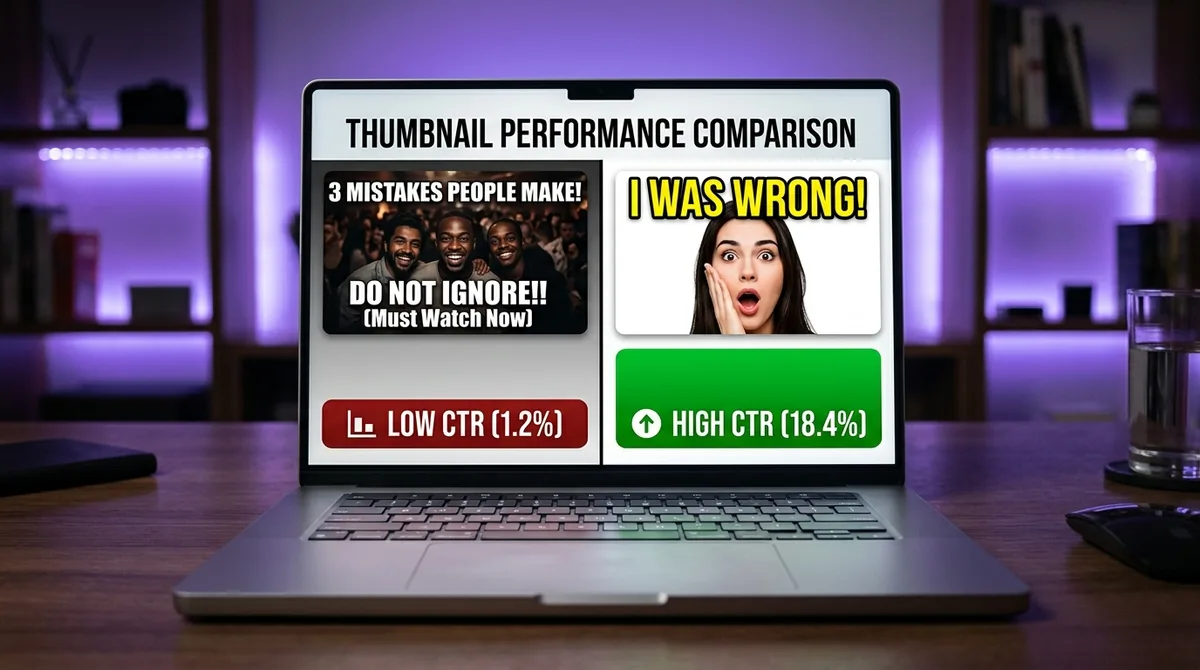
CTR — click-through rate — is the percentage of viewers who click your thumbnail after YouTube shows it to them. If your video is shown 1,000 times and 45 people click, your CTR is 4.5%. A strong CTR tells the algorithm that your title and thumbnail are compelling enough to earn attention from a cold audience. For a deeper breakdown of why this metric controls distribution, see What is YouTube CTR and why does it control your channel's growth?
In 2026, CTR thresholds have shifted because the homepage is more competitive. A 3-4% CTR was once considered solid for most niches. Today, channels without a recognizable visual identity or a clear value proposition in the thumbnail are competing against creators who have iterated their thumbnail design across hundreds of videos. CTR is still a top-of-funnel signal, but the algorithm weighs it alongside what happens after the click.
Audience Retention and the Retention Curve
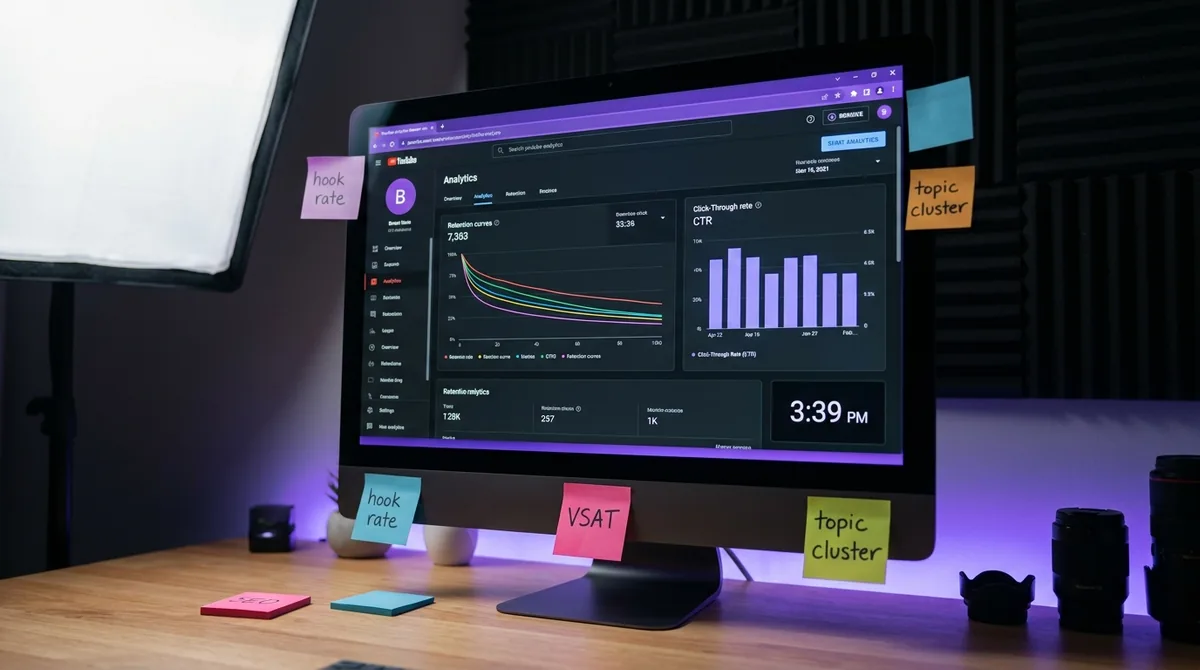
Audience retention measures the percentage of your video that the average viewer watches. The retention curve is a graph showing exactly where viewers drop off, where they rewatch, and where they skip. A flat or slowly declining curve signals consistent value. A sharp drop at 0:30 signals a broken promise between your title and your opening.
In 2026, YouTube's models look at absolute retention (how long viewers stay) and relative retention (how your video compares to other videos of the same length in your niche). A 10-minute video with 55% retention outperforms a 10-minute video with 30% retention in nearly every recommendation context. For a complete explanation of what these numbers mean in practice, read YouTube Audience Retention: What the Numbers Actually Mean.
Hook Rate
Hook rate is the percentage of viewers who make it past the first 30 seconds of your video. It is a sub-metric of the retention curve, but it deserves its own mention because it is the most actionable. If your hook rate is below 60%, the algorithm receives a signal that your opening is not delivering on the thumbnail's promise — and it throttles distribution before the video has a chance to build momentum.
Sentiment Signals
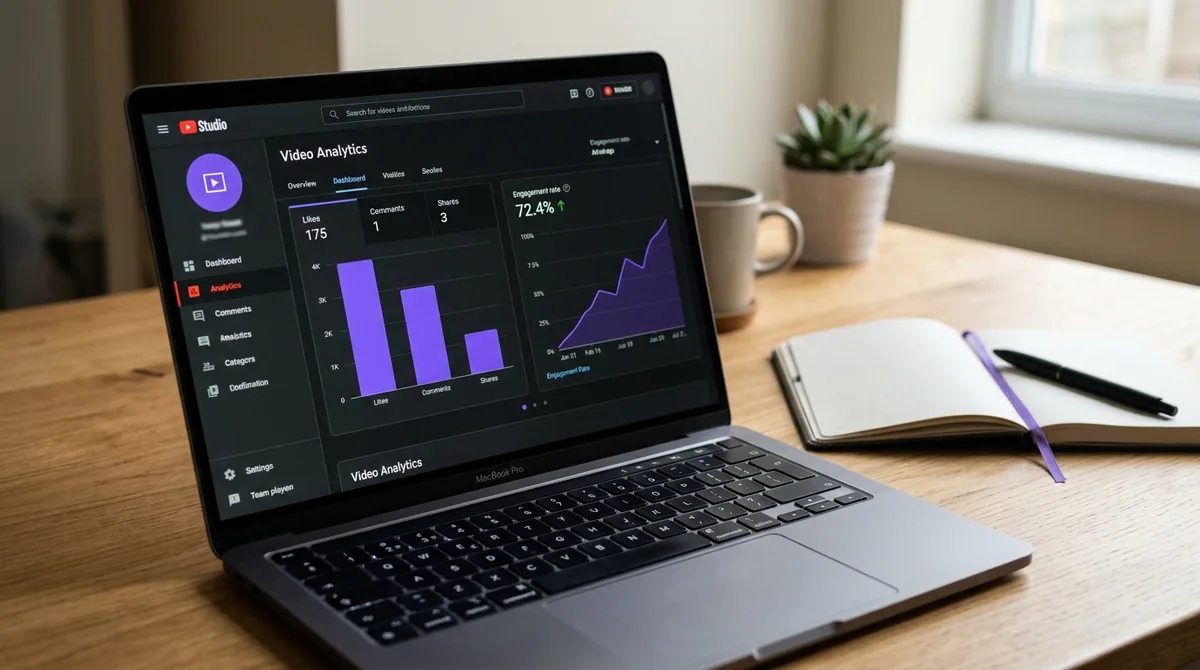
Likes, comments, shares, and saves all feed into what YouTube's models interpret as emotional response. But in 2026, comment sentiment analysis has become more sophisticated. A flood of comments expressing frustration or disappointment weighs against a video, even if the raw comment count is high. Positive, specific comments — the kind that reference details from the video — are weighted more heavily than generic reactions. This is covered in depth in Sentiment-Driven Algorithm Shifts: How Viewer Emotion Shapes What YouTube Promotes.
VSAT: The Metric Most Creators Ignore
VSAT stands for Viewer Satisfaction, and it is the umbrella metric that YouTube's post-watch survey data feeds into. After watching a video, a small percentage of users are shown a prompt asking whether they were satisfied. These survey responses are aggregated and fed back into the recommendation model for that video. VSAT is not visible in YouTube Studio, but its effect is visible in long-term watch page traffic. Videos with high VSAT scores continue to receive recommendations months after upload. Videos with low VSAT scores lose distribution quickly regardless of their initial CTR.
The practical implication: delivering on the promise of your thumbnail and title is not optional. Clickbait titles that drive high CTR but low VSAT are self-defeating over any window longer than 72 hours.
Format Performance in 2026: What the Data Shows
The algorithm does not treat all formats equally, and neither should your content strategy. Based on AskLibra data from 4 connected channels and 511 videos analyzed, longform video produces an average engagement rate of 0.0226, while short-form video averages 0.0109. That does not make Shorts worthless — it makes them a discovery tool rather than an engagement engine. The channels generating the highest engagement are using Shorts to funnel viewers to longform content where watch time and satisfaction signals can accumulate.
This format dynamic connects directly to how you structure your upload schedule. For a practical system for turning your first uploads into a data feedback loop, see The 20-30 Video "Data Feedback" Loop: How to Turn Your First Month of Uploads into a Growth Roadmap.
Niche Authority and Topic Clustering
One of the most significant changes to the algorithm's behavior in 2025 and 2026 is the increased weight given to topical authority. YouTube's recommendation models have become better at understanding whether a channel "owns" a subject area versus publishing scattered content across multiple unrelated topics. A channel that publishes 30 videos all related to real estate investing will receive stronger cross-video recommendations than a channel that publishes 30 videos across cooking, finance, and travel — even if the individual video metrics are similar.
This is the mechanism behind topic clustering: organizing your content into clear thematic neighborhoods so the algorithm can confidently recommend Video B to someone who just finished Video A. Topic Clustering and Content Neighborhoods: How to Organize Your YouTube Channel for Algorithmic Authority walks through the structural approach in detail.
Posting Time: Real Data vs. Generic Advice
Generic "best time to post" guides recommend Tuesday through Thursday between 2pm and 5pm. That advice is derived from aggregated platform averages and is essentially useless for any individual channel. Your audience has its own behavioral patterns that may look nothing like the average. Based on AskLibra data from 4 connected channels and 511 videos analyzed, the average peak posting hour across connected channels is 3:39 PM — but the operative word is average. A channel serving an audience in Southeast Asia has a completely different optimal window than one serving the UK. For a method to calculate your own best posting time from your actual analytics, see How to Find Your Best Posting Time on YouTube Using Your Own Data.
The 90-Day Window: Why Short-Term Data Misleads
Single-video performance is noisy. A video can underperform in its first week because it was published during a news cycle that displaced it, and then surge three months later when a related search trend brings new viewers to it. This is why the 90-day analysis window is the minimum reliable unit for understanding your channel's actual performance patterns.
Over 90 days, you can identify which topics consistently drive retention, which thumbnail styles drive CTR, and which upload cadences correlate with subscriber growth. What 90 Days of YouTube Data Actually Reveals About Content Performance and How AskLibra's 90-Day Analysis Works — And What It Finds in Your Channel both address this in detail.
The Metrics That Actually Move the Needle
Not every metric in YouTube Studio deserves equal attention. Impressions, for example, are a reach signal — useful for understanding ceiling, not performance. Subscriber count is a lagging indicator, not a leading one. The three metrics worth tracking weekly are CTR, average percentage viewed (your retention proxy), and click-to-watch ratio (how many people who clicked actually watched a meaningful portion). For a ranked breakdown of which numbers to prioritize, read 3 YouTube Metrics That Actually Matter (And 2 That Are Just Vanity).
What "Predictive" Algorithm Understanding Looks Like in Practice
The most sophisticated creators in 2026 are not just reading their analytics — they are using historical performance patterns to anticipate which topics and formats will perform before publishing. This is what Predictive Social Analytics: How to Use Data to See What Your YouTube Channel Needs Before It Happens covers: treating your channel's data history as a forecasting tool, not just a scoreboard.
The algorithm rewards creators who are consistent and improving. The way to improve systematically is to measure the right things, identify the patterns, and adjust before the data forces you to.
Frequently Asked Questions
What is the YouTube algorithm and how does it decide what to recommend?
The YouTube algorithm is a set of machine learning models that evaluate each video's performance signals — including CTR, audience retention, hook rate, and viewer satisfaction — to decide which video to show each viewer next. It optimizes for the viewer's experience, not the creator's upload schedule or subscriber count. The more consistently your videos satisfy viewers, the more aggressively the algorithm distributes them.
Does subscriber count still matter for the YouTube algorithm in 2026?
Subscriber count matters as a distribution baseline — your subscribers are the first audience your video is shown to, and their early engagement signals help the algorithm decide whether to push the video wider. However, subscriber count alone does not drive recommendations. A channel with 500 highly engaged subscribers whose videos hold 65% retention will outperform a channel with 50,000 subscribers whose videos drop to 20% retention at the two-minute mark.
How important is posting frequency for the algorithm?
Frequency matters less than consistency and quality of retention signals. Uploading five times per week with weak hook rates and low retention is worse than uploading twice per week with strong satisfaction scores. That said, channels that go dormant for extended periods do see a reduction in homepage recommendation priority, so maintaining a predictable schedule — even at low frequency — is better than irregular bursts of uploads.
What is the difference between CTR and hook rate?
CTR measures the percentage of viewers who click your thumbnail when it is shown to them — it is a pre-watch signal. Hook rate measures the percentage of viewers who stay past the first 30 seconds after clicking — it is an early post-watch signal. Both matter: a high CTR with a low hook rate tells the algorithm that your thumbnail over-promises and your opening under-delivers, which suppresses further distribution.
How long does it take for the algorithm to start recommending a new video?
Most videos receive their initial distribution test within the first 24-48 hours after upload, during which the algorithm measures early CTR and retention from your existing subscribers and browse surface impressions. Videos that clear internal performance thresholds are then pushed to suggested feeds and search. Some videos enter a second growth phase weeks or months later when search trends align with their topic — which is why a 90-day analysis window gives a far more accurate picture of performance than a 7-day snapshot.
Ready to see what the data says about your channel?
Stop guessing. Use AskLibra to get a personalized 90-day growth gameplan and find your perfect posting window.
No credit card required • Join 2,000+ creators